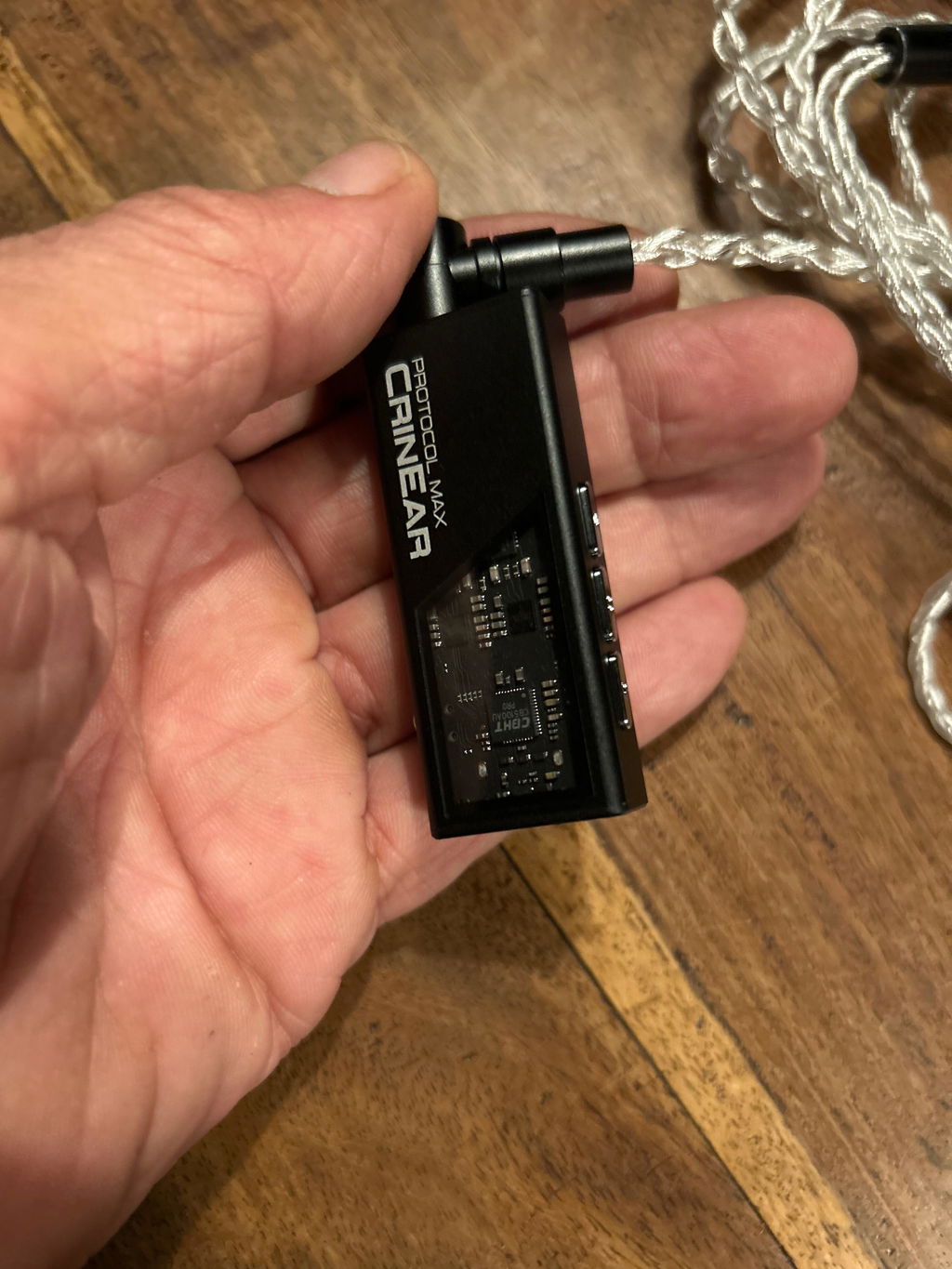
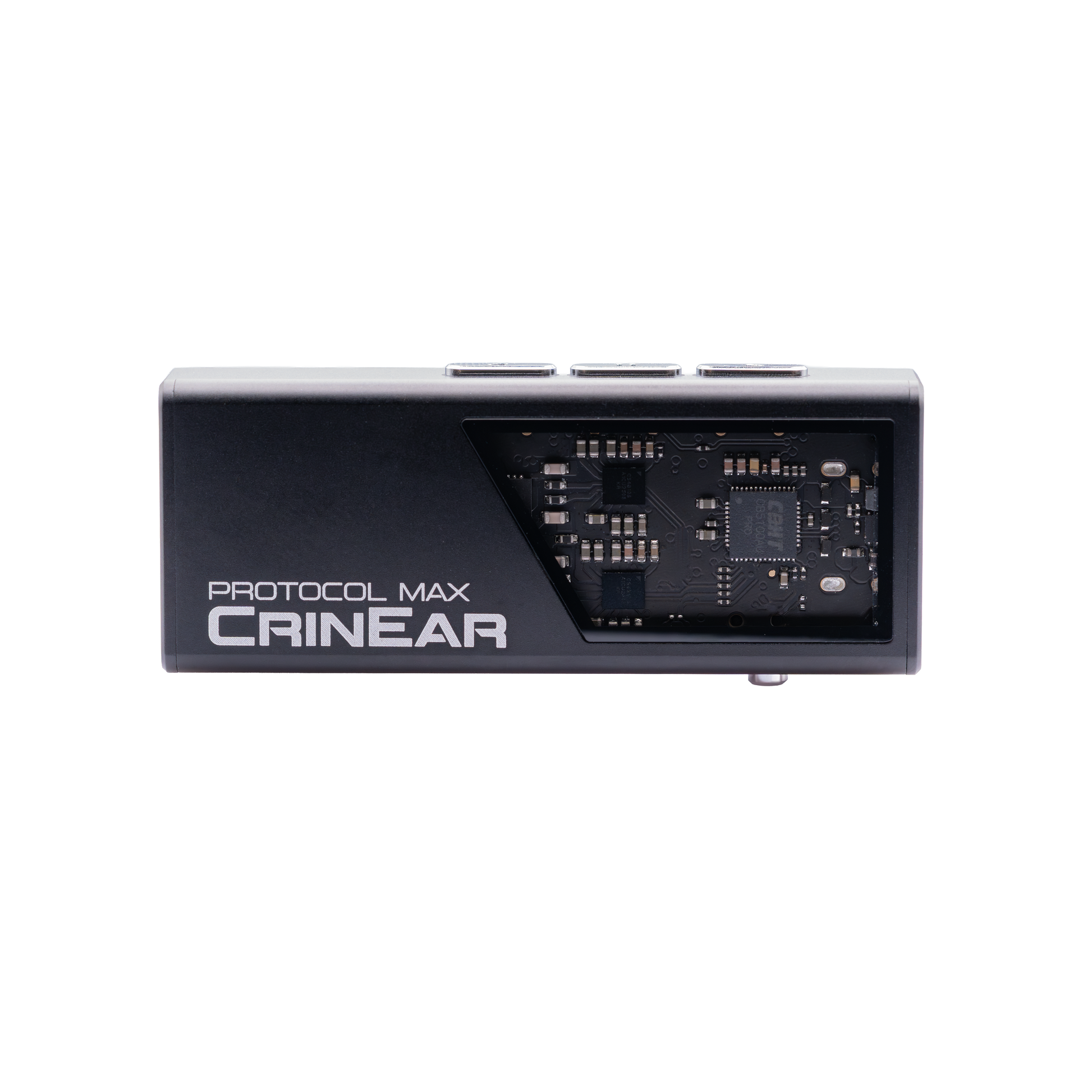
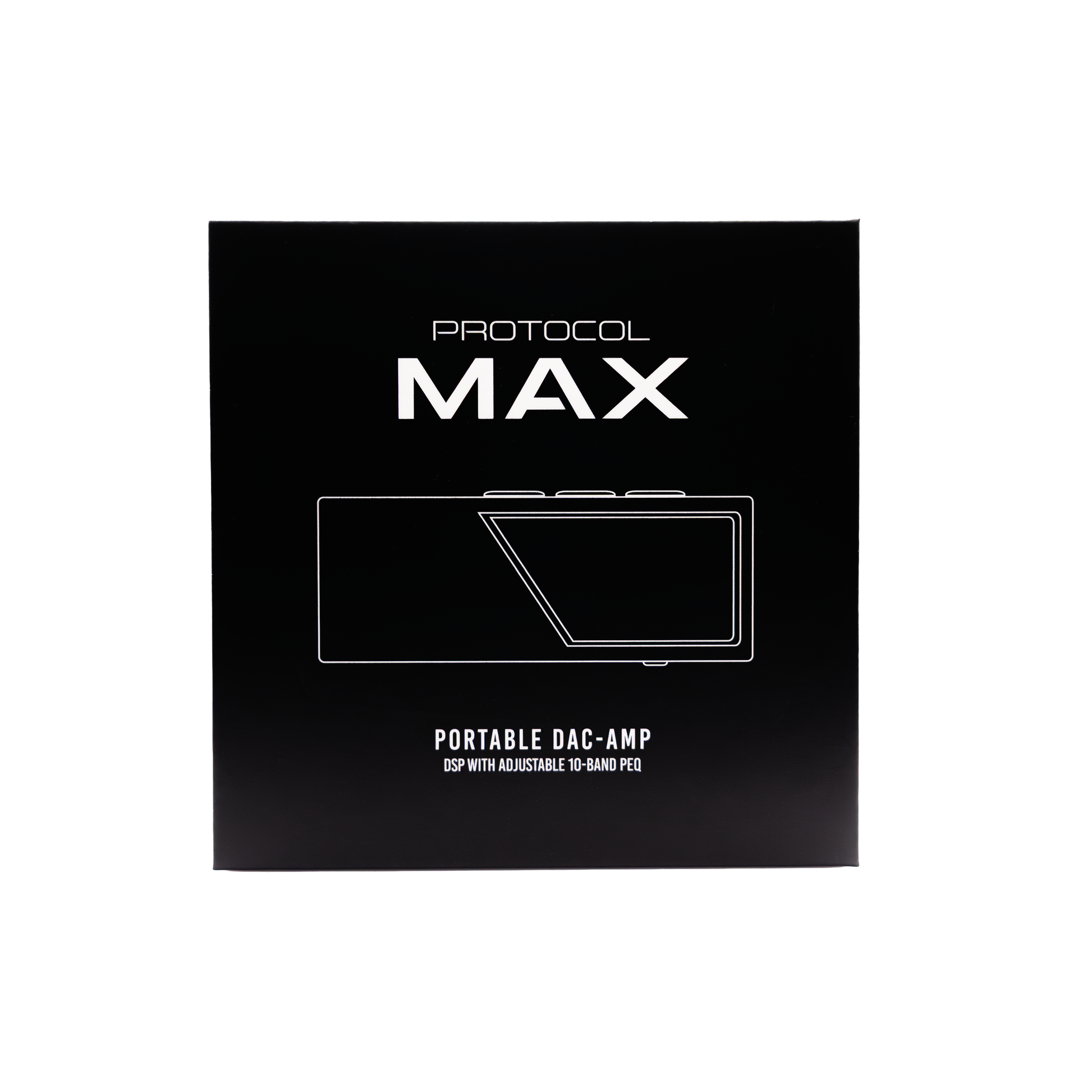
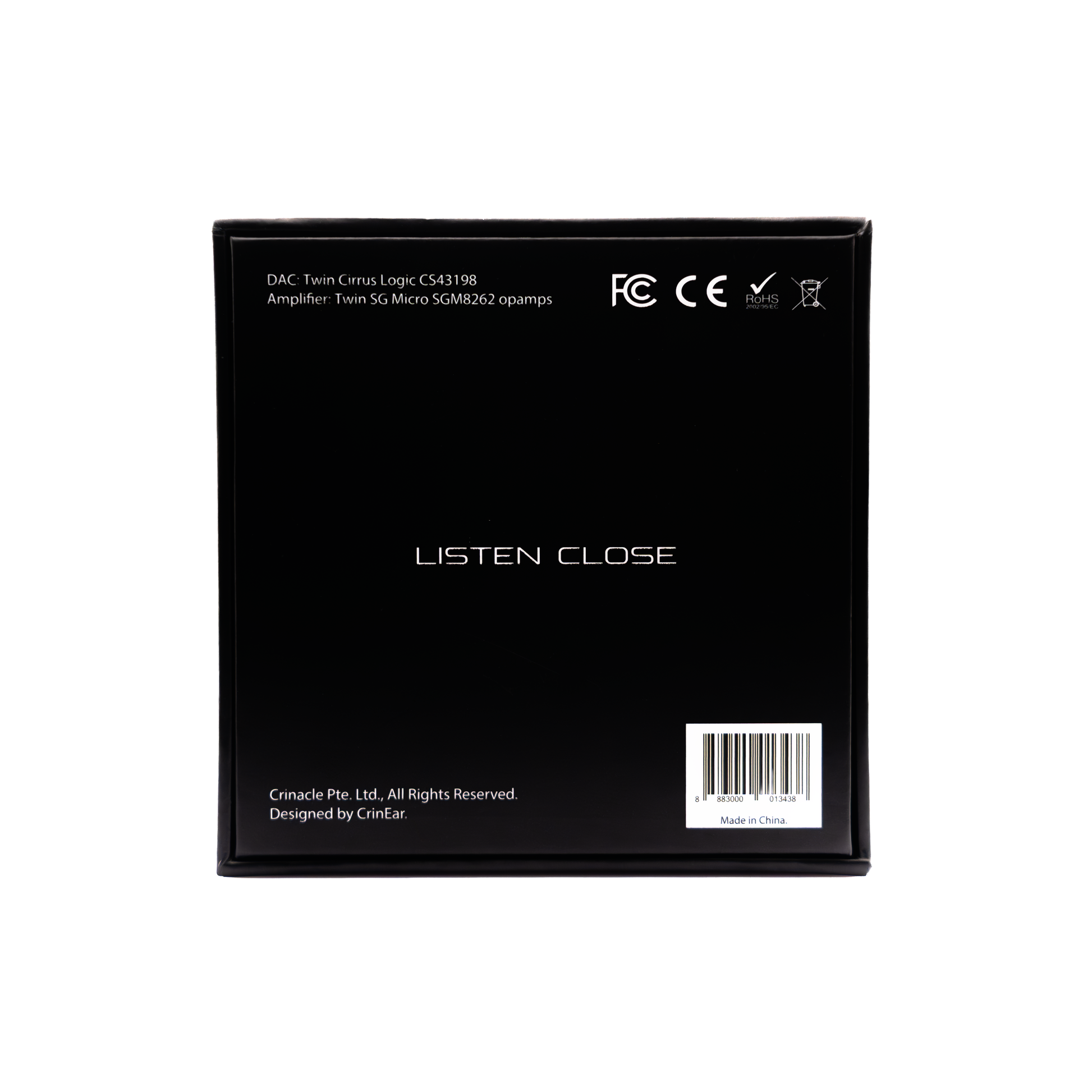
CrinEar Protocol Max Portable DAC-Amplifier
4.73 / 5.0
(26) 26 total reviews
Couldn't load pickup availability
FULFILMENT TIME: 4-5 DAYS!
The Protocol Max marks CrinEar’s bold entry into the source gear market, bringing our philosophy of acoustic precision to digital-to-analog conversion and amplification. With up to 600 mW of clean power on tap from its balanced output, the Protocol Max effortlessly drives everything from sensitive in-ear monitors to demanding full-size headphones, all without breaking a sweat.
Beyond raw strength, the Protocol Max features persistent, PC browser-based parametric EQ via the Hangout.Audio Graph Tool, letting you fine-tune your sound signature and store your custom profiles directly onto the device. No companion app, no extra steps—just plug into your PC, set your curve, and enjoy.
With its blend of muscle, precision, and user-focused flexibility, the Protocol Max balances clean, reference-grade performance with real-world practicality, making it the ultimate pocket-sized DAC-amp for enthusiasts and professionals alike.
Core Features
-
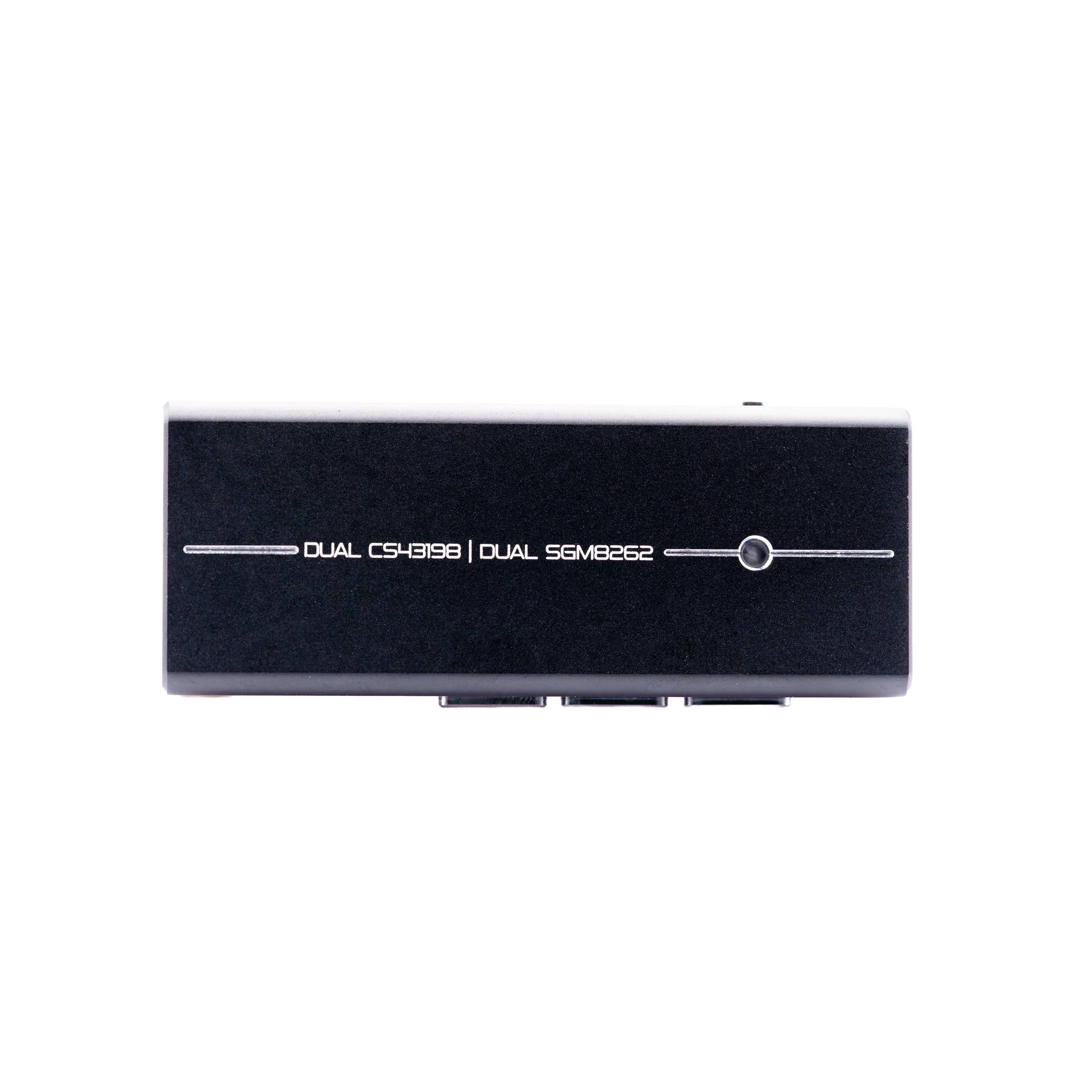
Dual Cirrus Logic DAC chips (CS43198): Provides transparent, high-resolution digital conversion.
-
Dual SG Micro SGM8262-2 Operational Amplifiers: Provides up to 600mW of clean, robust amplification with minimal distortion.
-
Adjustable and Persistent Parametric EQ: Upload and store custom EQ profiles directly from your PC browser.
-
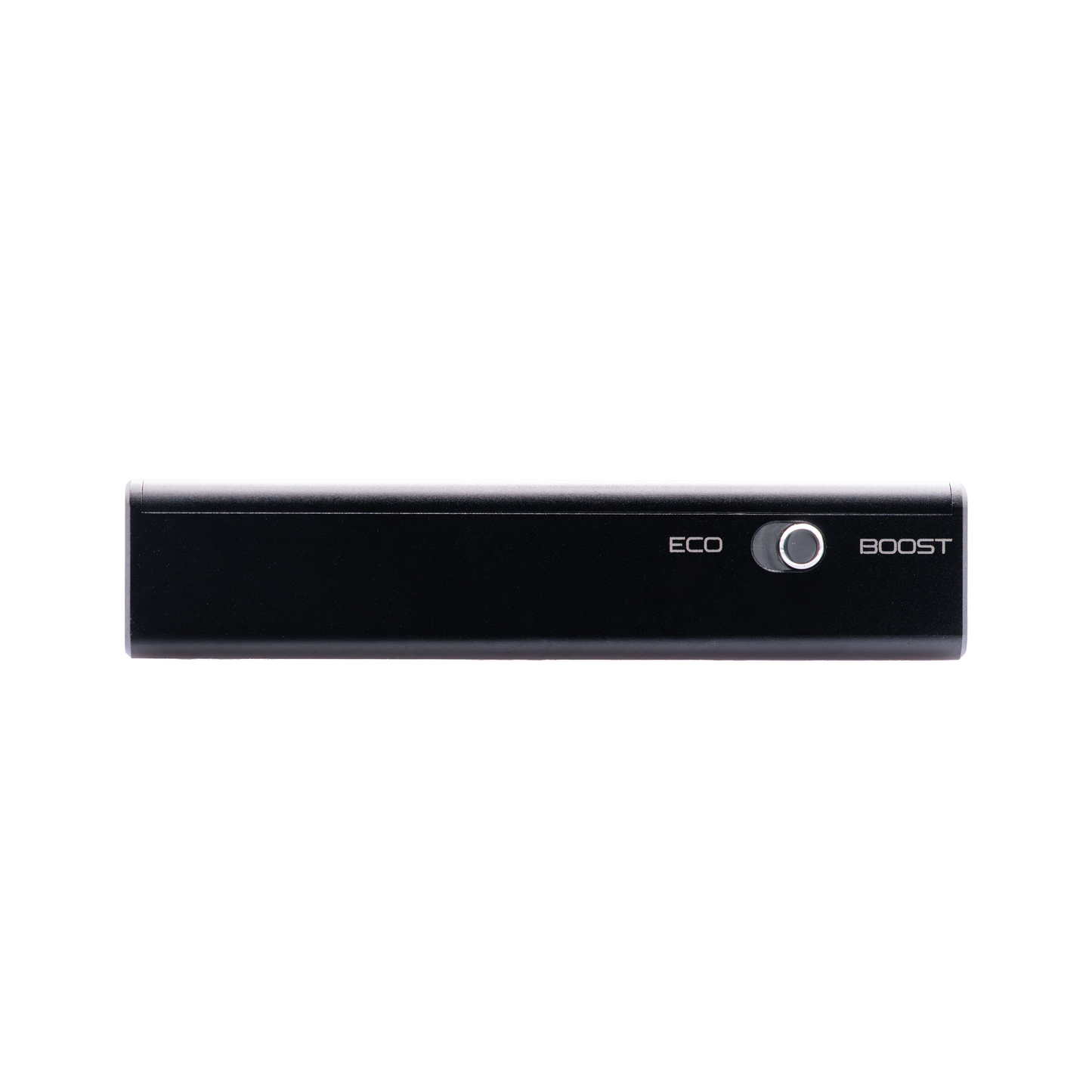
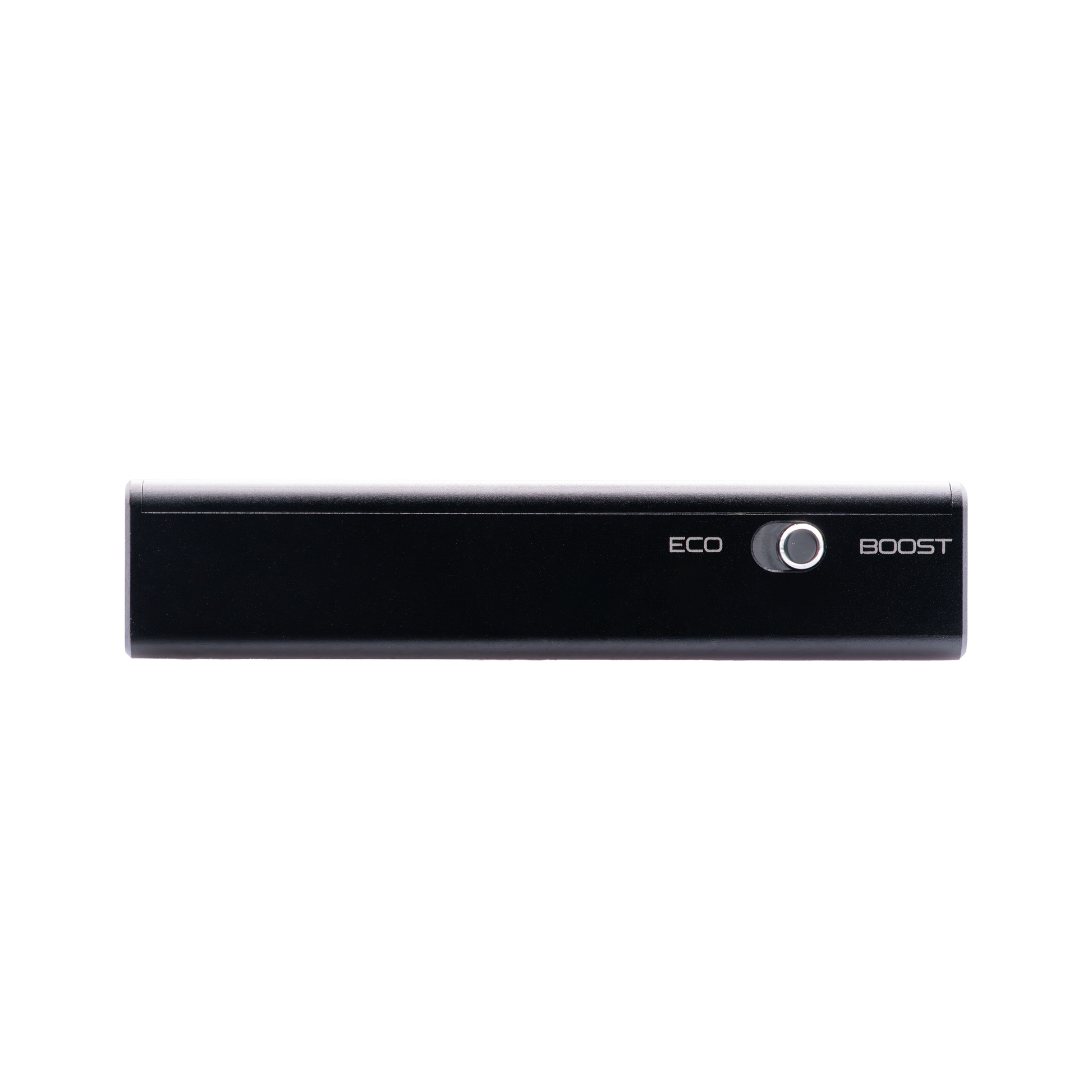
Dual Power Modes: Optimize for either efficiency (Eco) or maximum output (Boost).
-
Sleek Aluminium Housing: Durable yet stylish construction for everyday portability
-
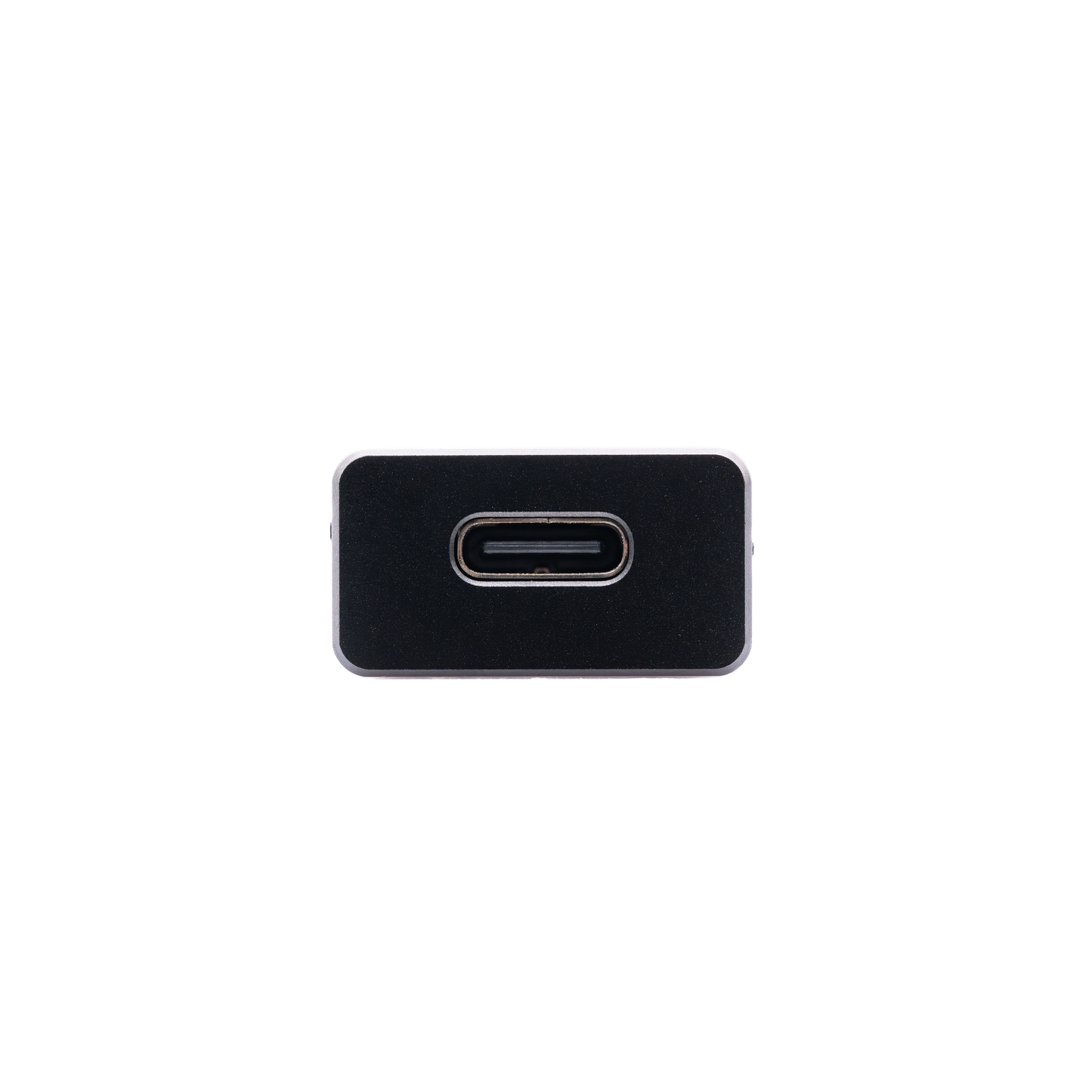
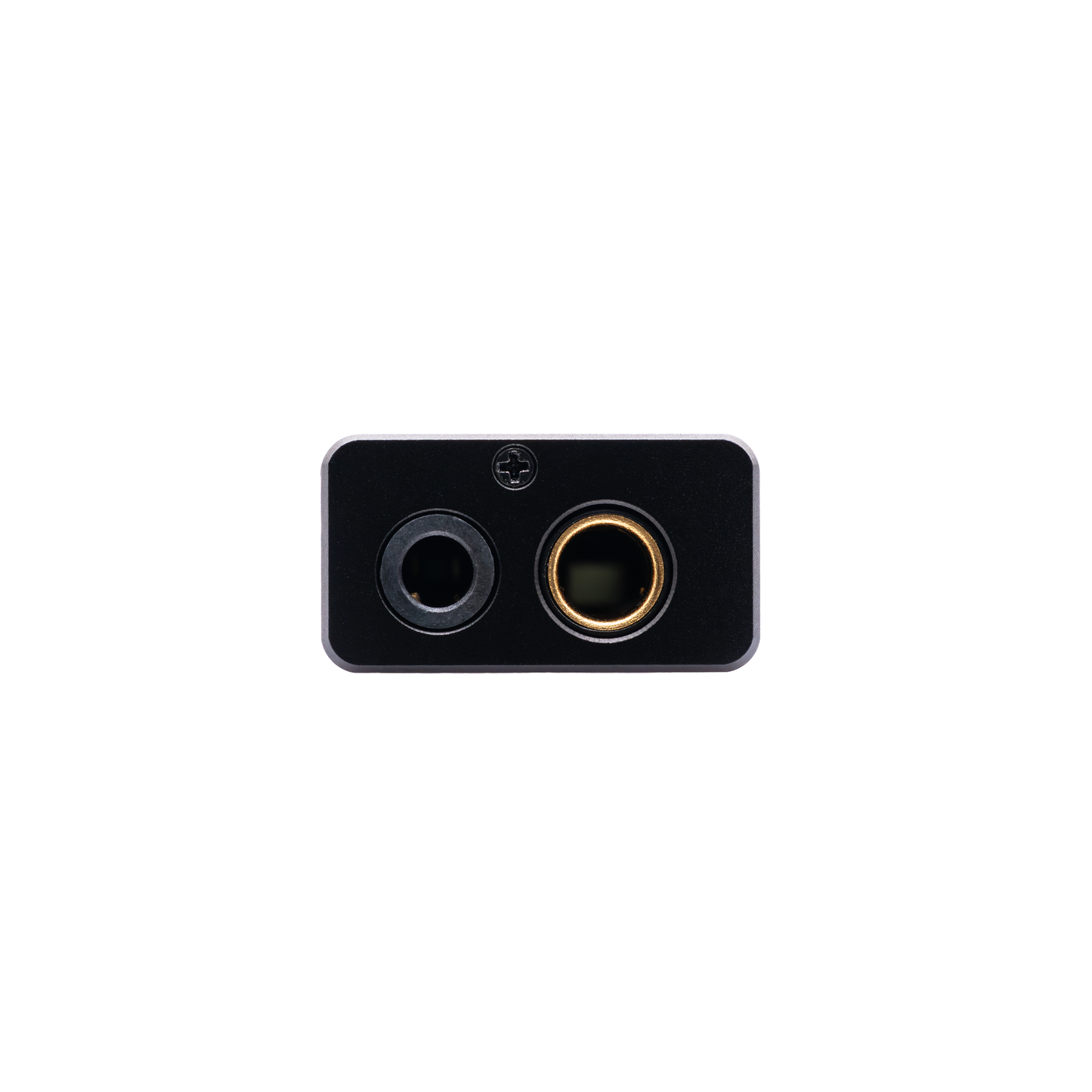
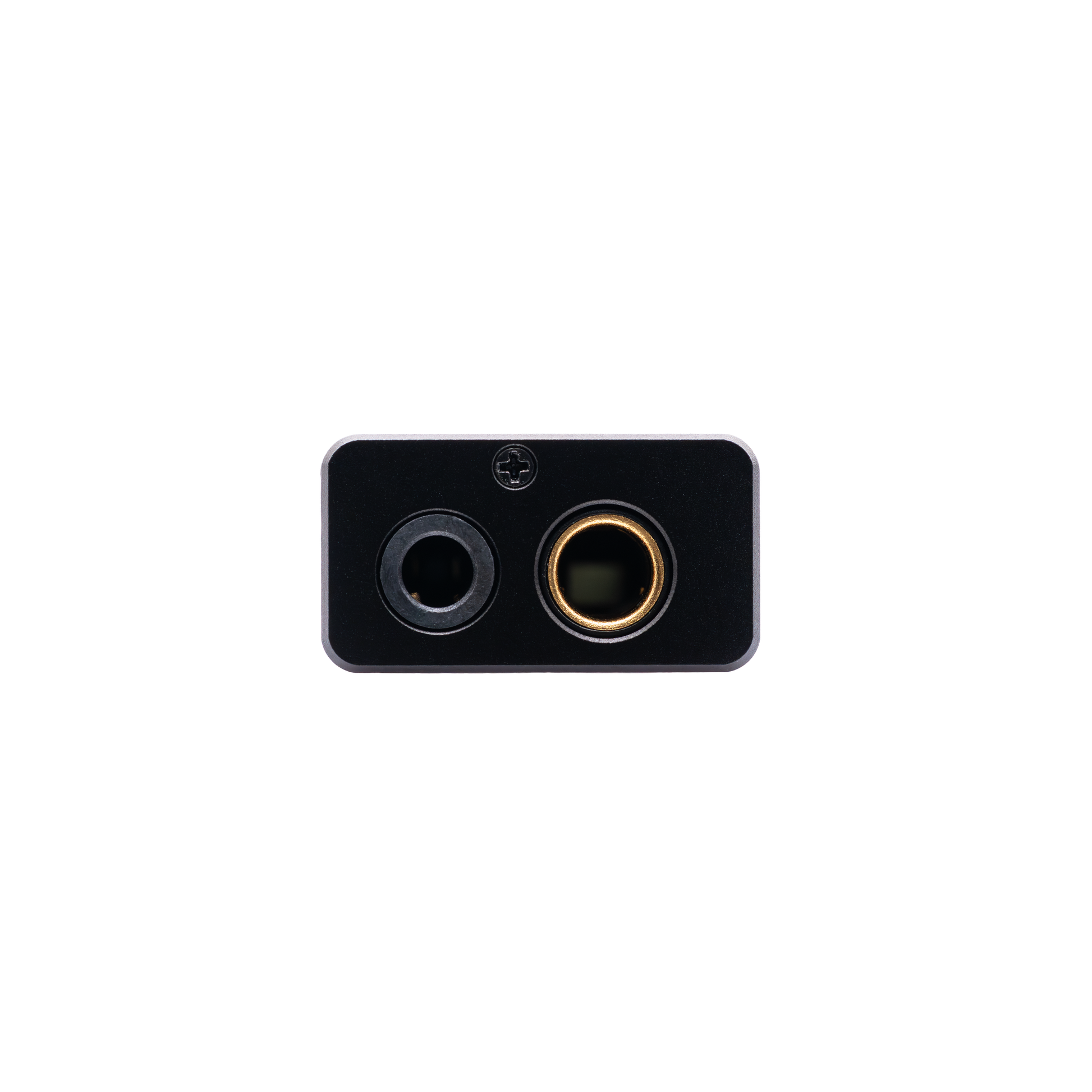
Broad Output Support: Balanced 4.4mm and single-ended 3.5mm outputs with low output impedance for maximum compatibility.
What You Get
- CrinEar Protocol Max
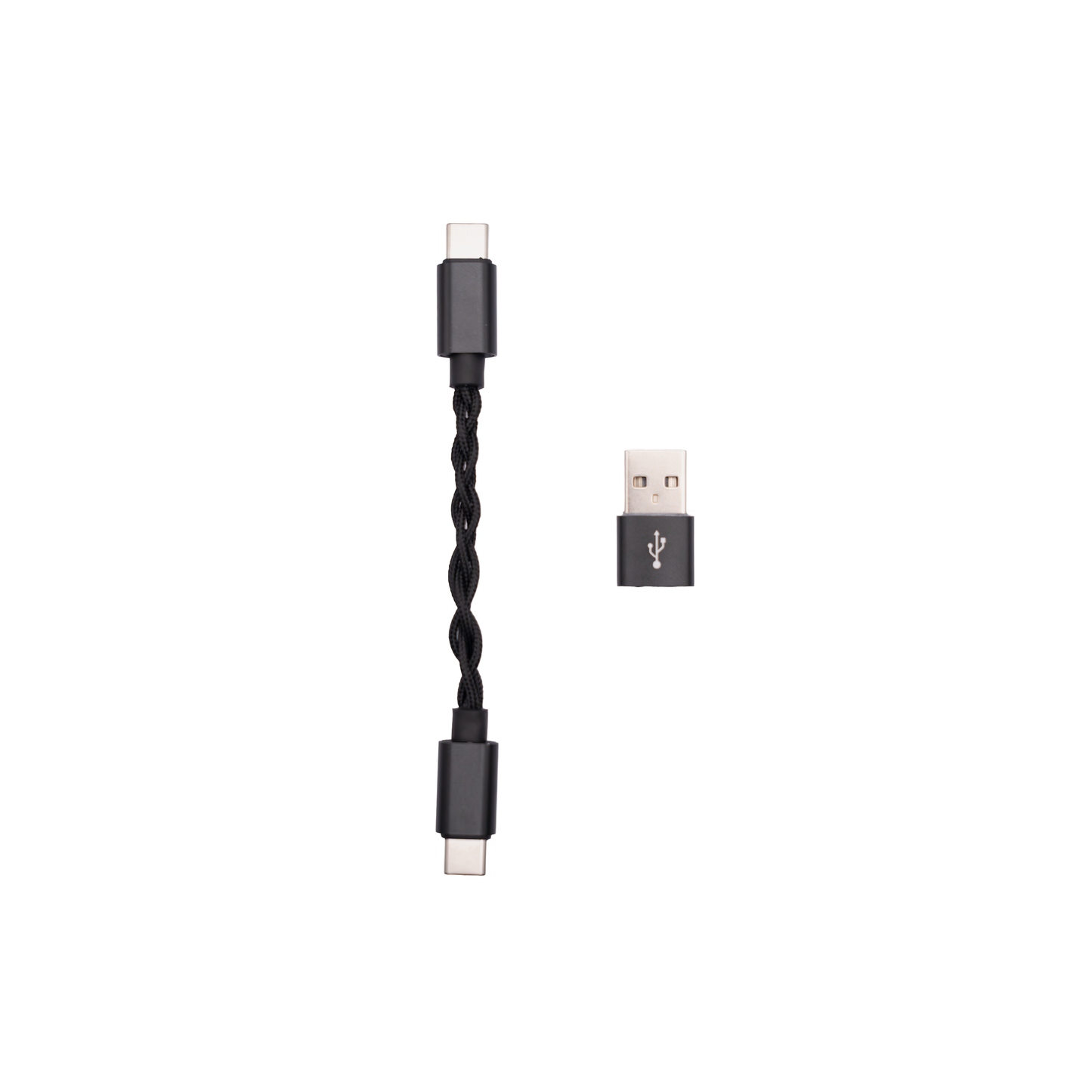
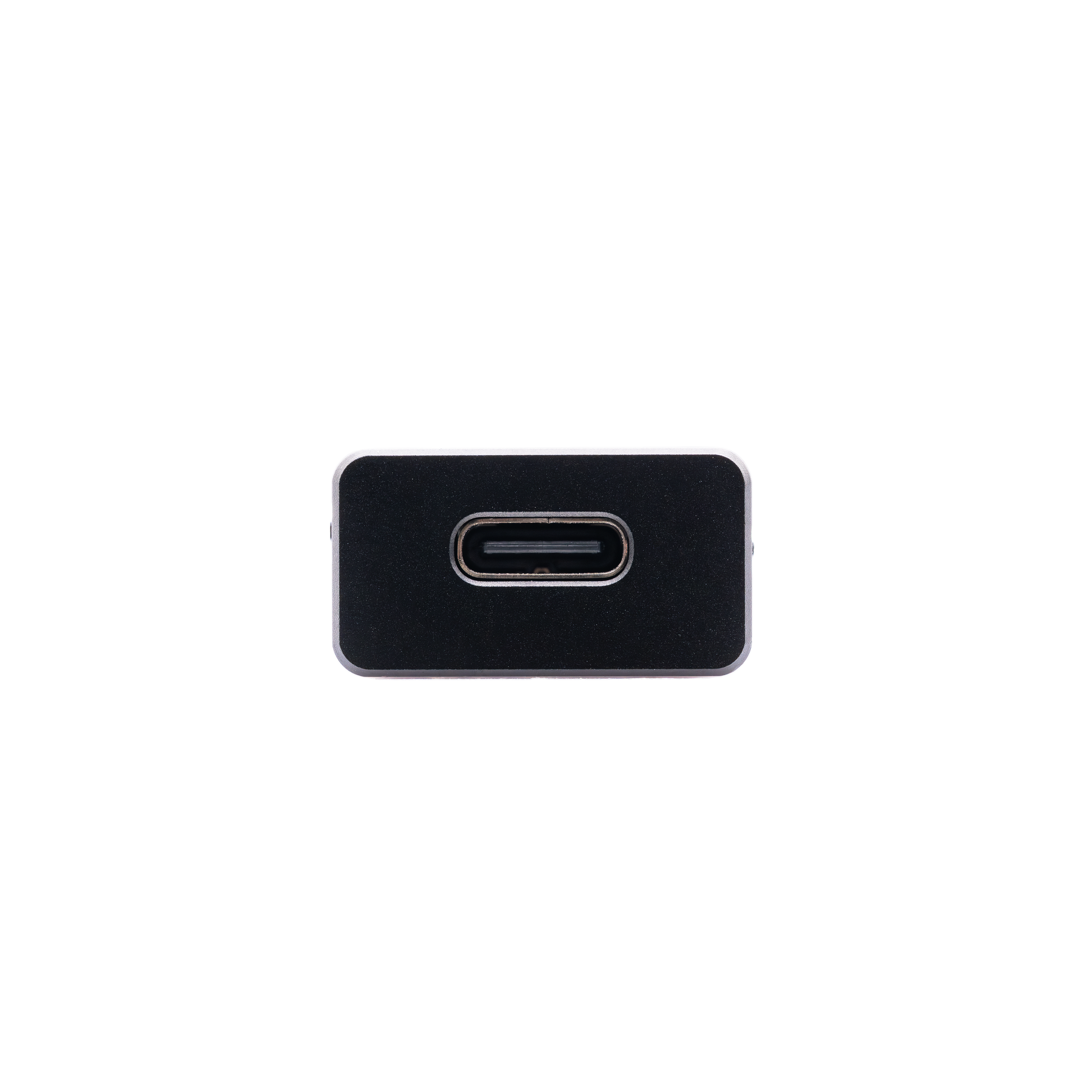
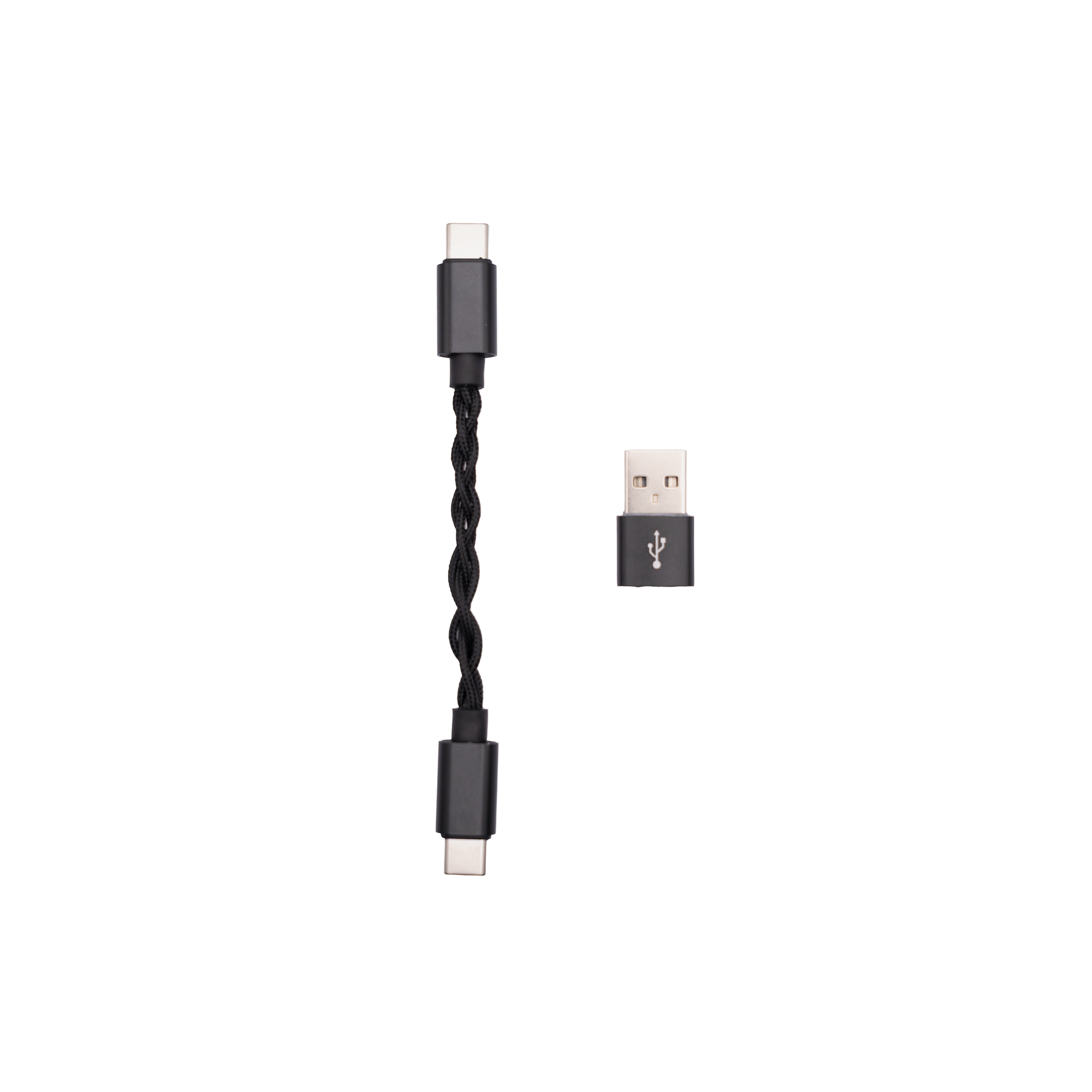
- USB C-to-C cable
- USB C-to-A adapter
Specs
-
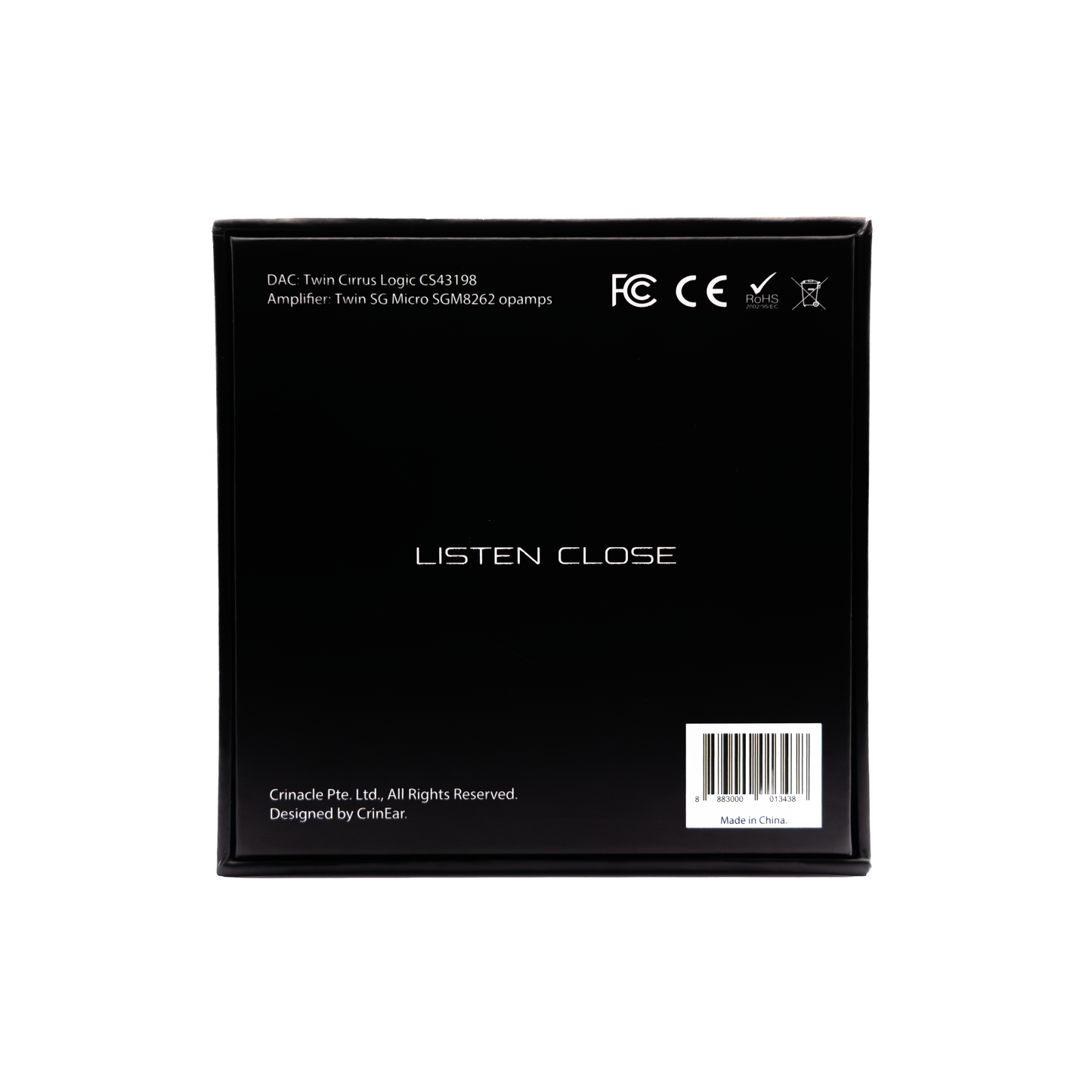
DAC Chip: Dual Cirrus Logic CS43198
-
Amp Chip: Dual SG Micro SGM8262-2
-
Maximum Power Output (BAL):
- @ 8Ω: 31.3 mW (Eco), 442 mW (Boost)
- @ 16Ω: 62.5 mW (Eco), 600 mW (Boost)
- @ 32Ω: 31.3 mW (Eco), 500 mW (Boost)
- @ 300Ω: 3.5 mW (Eco), 54 mW (Boost)
-
Maximum Power Output (SE):
- @ 8Ω: 31.3 mW (Eco), 500 mW (Boost)
- @ 16Ω: 15.63 mW (Eco), 250 mW (Boost)
- @ 32Ω: 7.8 mW (Eco), 125 mW (Boost)
- @ 300Ω: 0.8 mW (Eco), 13.5 mW (Boost)
-
SNR @1kHz 0dBFS: 132 dB (BAL), 127 dB (SE)
-
THD+N @1kHz 0dBFS: -118 dB (BAL), -116 dB (SE)
-
Crosstalk @1kHz -6dBFS: -116 dB (BAL), -65 dB (SE)
- Output Impedance: <0.6Ω (BAL), <0.3Ω (SE)
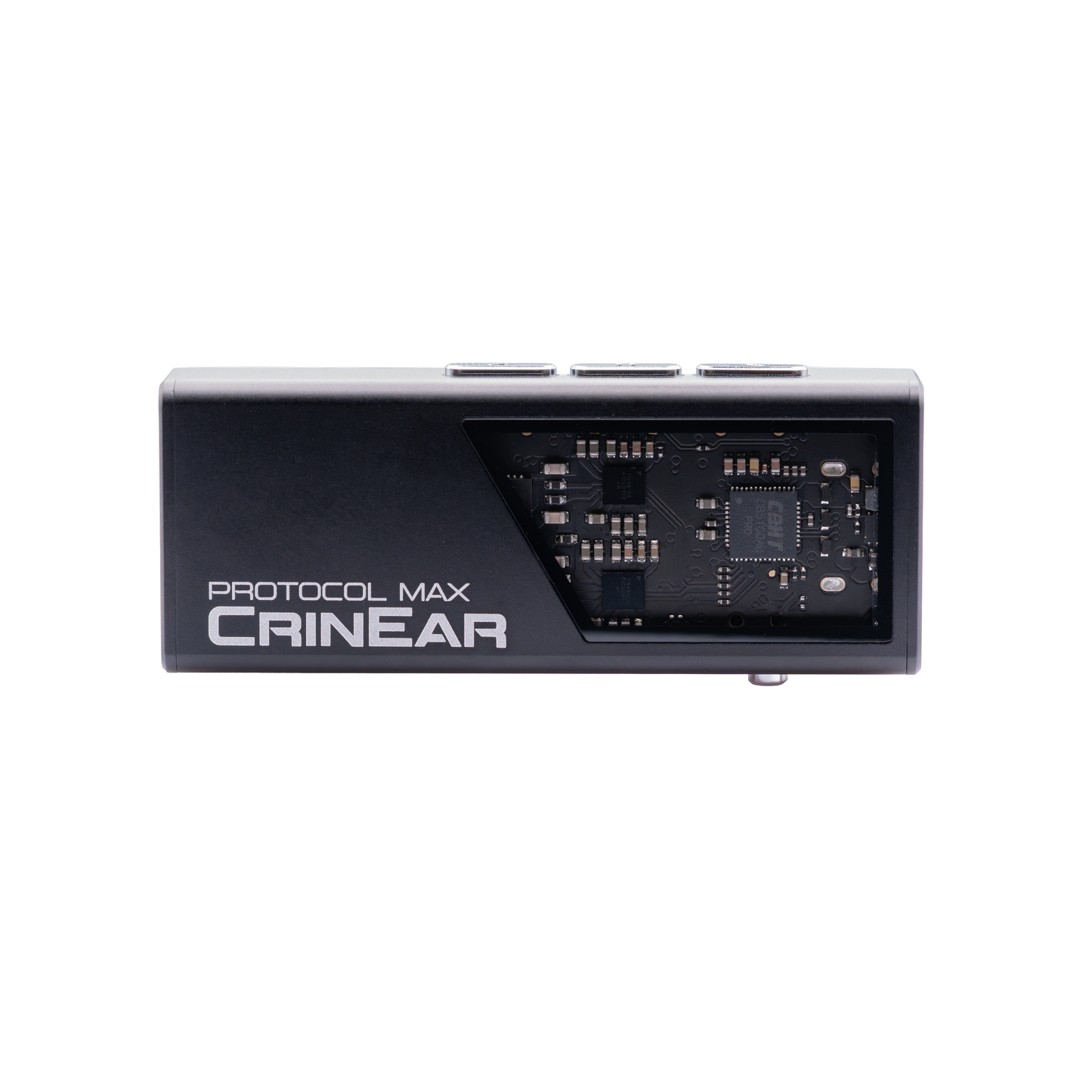
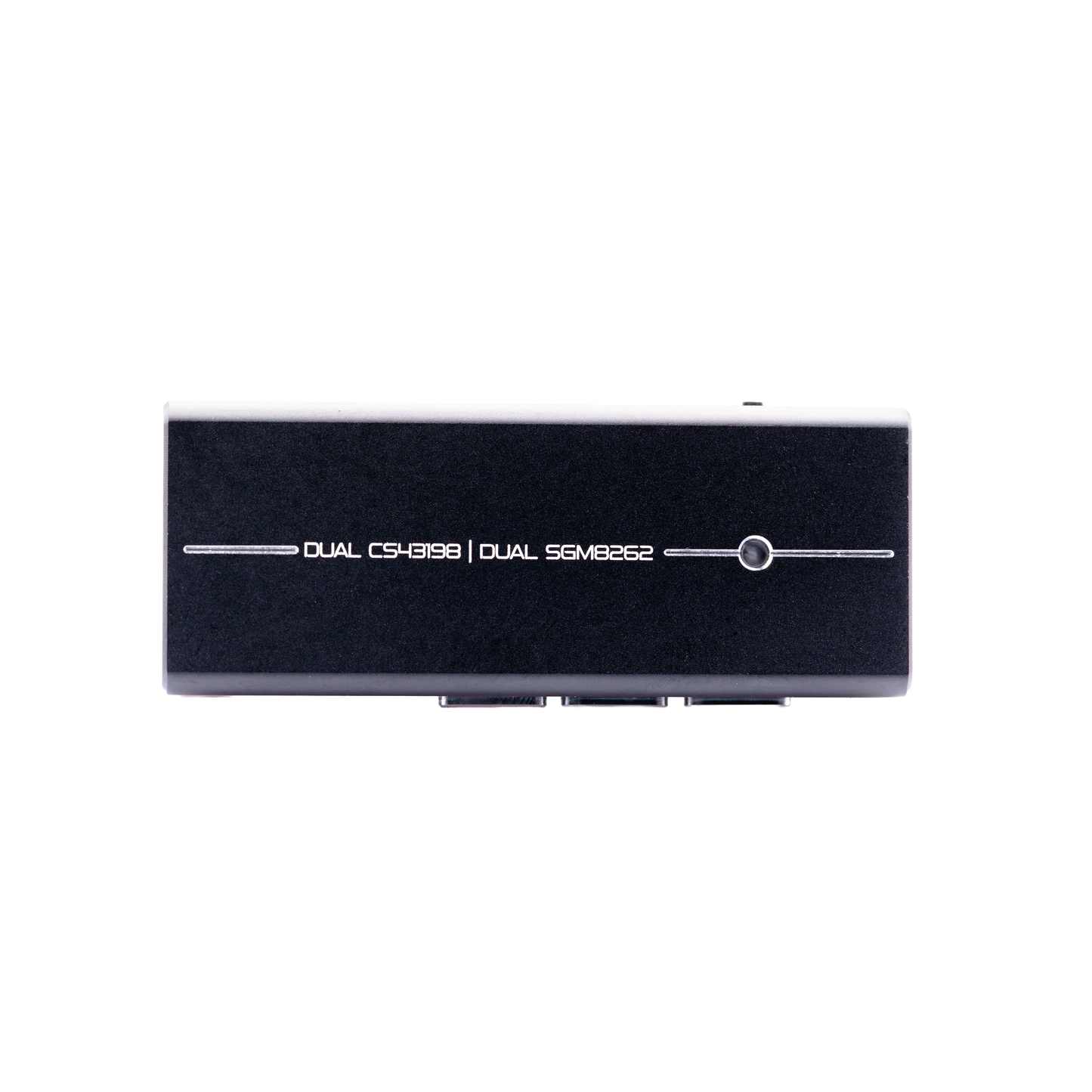
I didn’t expect much at first, but after using the Protocol Max for a while, it honestly surprised me. It’s simple, powerful, and just works without any nonsense. For context, I’ve been using the JCALLY JM6 Pro and the FiiO KA13 before this — the JM6 Pro has no real issues but the lack of 4.4mm balanced output limits it, and the KA13 is a bit too warm for my taste and even produces some noise when no sound is playing. The Protocol Max fixes all of that by being clean, quiet, and way more refined overall.
Power-wise, it’s honestly ridiculous for the size. Eco mode handles sensitive IEMs perfectly clean, and Boost mode has no issue pushing headphones or more demanding sets. No hiss, no weird noise floor, no drama — just clean output.
I tested it across my whole IEM lineup — Moondrop Chu 2, LAN, Dusk, Kefine Klean, Truthear Hexa, Truthear Blue 2, and the AFUL Performer 5+2 — and the consistency is what impressed me most.
Chu 2 / LAN / Blue 2
These sets stay dead silent on the Protocol Max — meaning there’s zero background noise when nothing is playing. No hiss, no static, no faint buzzing. Some dongles introduce noise with sensitive IEMs, but here it’s completely clean even at higher volume levels.
Hexa & Klean
Neutral sets stay neutral without losing body. The Protocol Max keeps them clean and controlled without thinning them out.
Dusk
Plenty of headroom, tight bass, and smooth upper mids. No harshness, no compression.
AFUL Performer 5+2
The biggest surprise. The P5+2 can be picky with sources, but the Protocol Max keeps the bass punchy and controlled while keeping the treble clean without harshness. It feels like the dongle gives it proper breathing room without forcing any coloration.
The sound overall is exactly what I want from a source: neutral, controlled, and not trying to “fix” anything. If your IEMs are good, this dongle just gets out of the way.
The PEQ implementation is also way better than I expected. Browser‑based, persistent, and no app nonsense. I set my curve on the Hangout.Audio Graph Tool, saved it, and that’s it — the profile just lives on the device. Only downside is you can store one profile at a time, but honestly, I don’t swap signatures that often.
Build quality is solid, the size is perfect for daily carry, and even the included cable is actually usable — flexible, not stiff or cheap.
If you want a portable DAC/amp that’s powerful, clean, and doesn’t overcomplicate things, Protocol Max is genuinely all you need. It became my daily driver without me even trying.
Pros
Clean, neutral sound with no coloration
Zero hiss even with sensitive IEMs
Strong output power for its size
Eco/Boost modes are genuinely useful
Browser‑based PEQ that actually works well
Solid build and compact form factor
Included cable is flexible and good quality
Consistent performance across all my IEMs
No idle noise or background hiss
Cons
Only one EQ profile can be stored
Slight warmth in Boost mode
Higher price than entry‑level dongles (but performance matches it)
Songs I Tested With
Maggie Lindemann
Hostage — vocal clarity and emotional weight
Different — upper‑mid control and separation
It’s Not Your Fault — checks treble harshness
Ashunite
Amore — sub‑bass rumble and warmth control
Anomaly — imaging, layering, stereo width
Glassworld — micro‑details and background elements
Nessa Barrett
dying on the inside — breathy vocals, noise floor check
VOILA
Therapy — midrange clarity
BEAUTY SLEEP — treble smoothness and sparkle
Drinking With a Cupid — bass punch and rhythm
Figure You Out — layering and overall balance
Chris Grey
Let the World Burn — bass impact and energy
Wrong — vocal layering and mid clarity
Bring Me Back to Life — dynamics and transitions
Burning in Desire — treble sparkle and upper‑mid control
Always Been You — vocal focus
Give Me Your Love — rhythm, bass tightness, separation
Why I Chose These Songs
I picked these songs because they cover pretty much everything I want to test when trying a new DAC. Maggie Lindemann’s tracks help me check vocal clarity and upper‑mid control, while Ashunite’s atmospheric production is great for imaging, layering, and bass texture. Nessa Barrett’s breathy vocals reveal any background hiss instantly. VOILA’s clean mixes are perfect for checking balance, dynamics, and how well the DAC handles brighter treble. And Chris Grey’s tracks bring the energy — they’re great for testing bass impact, transitions, and how the DAC handles modern pop production without getting muddy or harsh. Together, this playlist gives me a solid feel for how the Protocol Max performs across different styles and mixing approaches.
The boost function is powerful enough to run some of the most demanding headphones. It's very nice to have a single quality DAC to run both IEMs and headphones. The PEQ is also great and I like their choice to integrate into Squiglink web app for configuration. My only complaint would be that it is only possible to load one EQ profile at the time, so if you're switching output devices often that might become annoying. Highly recommended!
Also no android support which kind of a let down for the price. Amazing sound out of the box with the Daybreaks of course.
I'm more of a desktop dac/amp kind of person, but I picked this up for portability and convenience, since it measures well and has plenty of power for most of my headphones. I just really wish the PEQ feature was less clunky and annoying. Can only set it up on desktop currently (Windows or Mac, NOT Linux), and disabling it is a chore since you need to manually delete every band you use. I have mine set with a small bass shelf and some treble tweaks and that seems to work well enough for me.
I'll give it 4 stars for now, with 5 coming after PEQ is ironed out for those of us using a portable DAC/amp, y'know, portably.
Otherwise, it sounds good and gets my headphones loud enough to listen to. What more do you want?
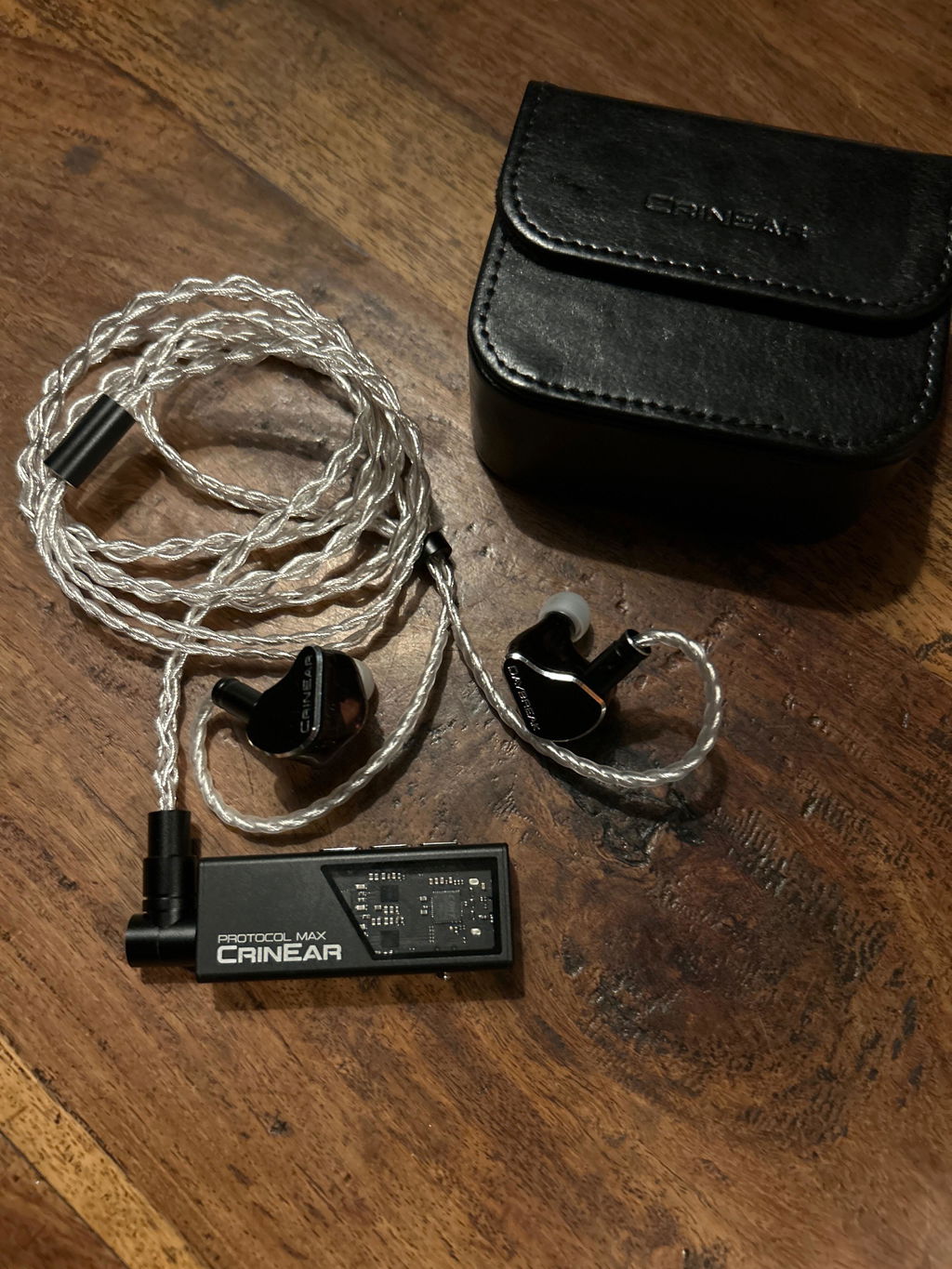
I use this together with my phone and work computer. I carry it together with my Crinear daybreak in the daybreak's carry case. Feels like the carry case was designed to be able to hold both.
I haven't had fully time to use the product to be able to fully give a review and to be honest i do not have that many references. I think the build quality is spot on, feels nice, very compact. The accessories supplied with it seems to be of a good quality, very nice USB-C cable, very flexible which means it fits nicely into carry case for Crinear Daybreak.
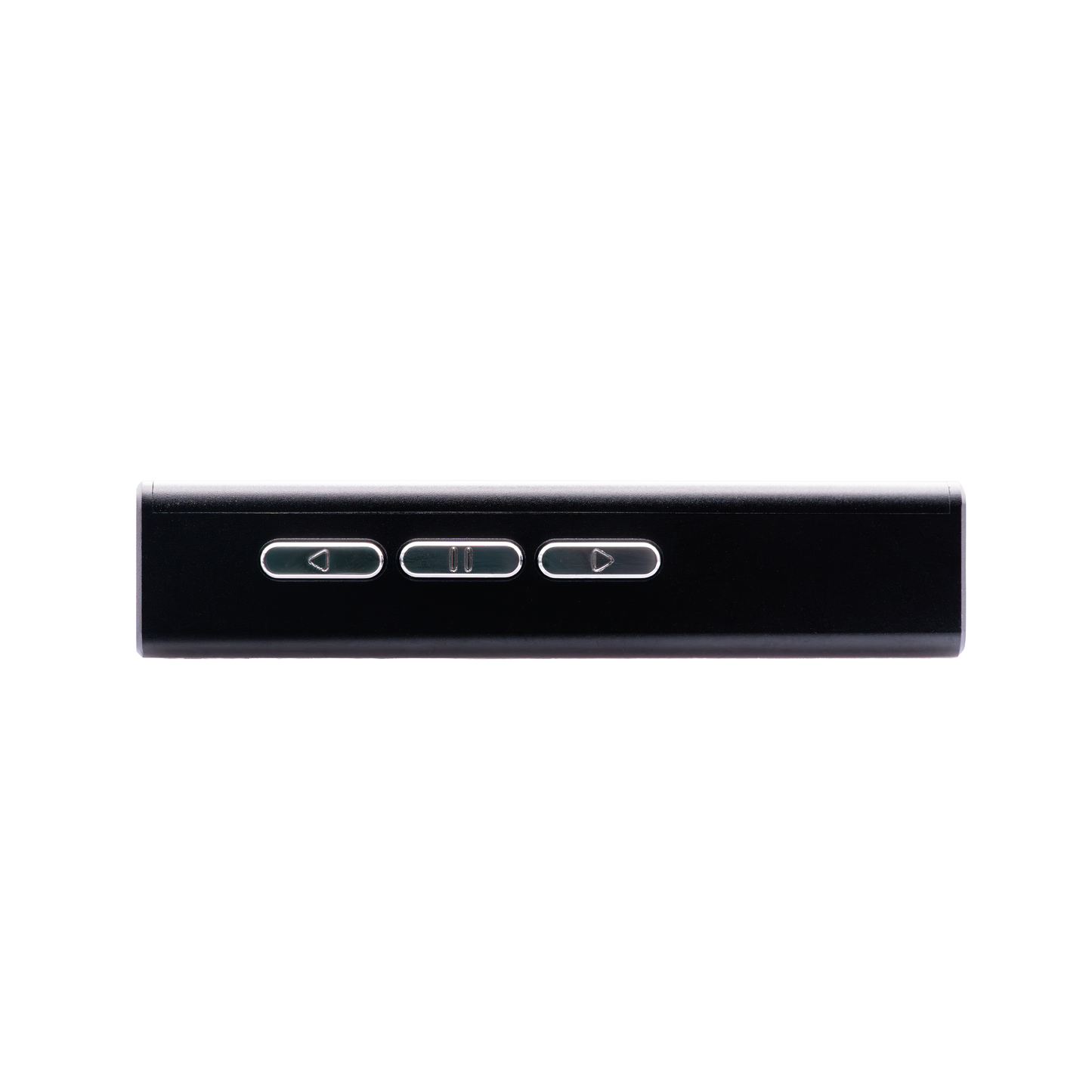
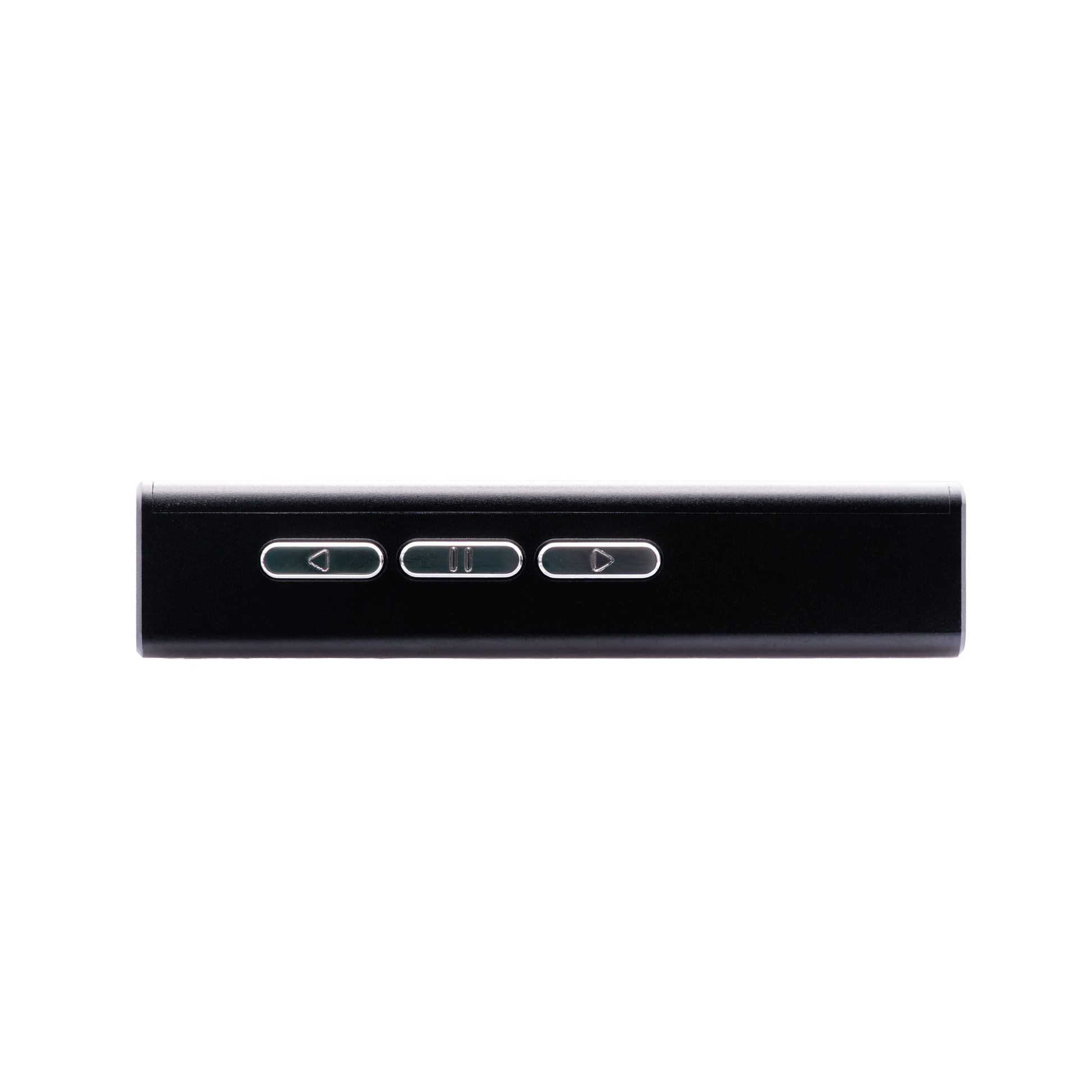
One nitpick would be maybe about the button functionality, if one presses the volume button a bit too long it seems to run into some bug or loop and you need to disconnect the unit to be able to use it again. As long as use short presses / clicks, no problem. This at least occurs with my phone, google pixel 10 pro xl.